I came across a very nicely done article on the
"Value of Design" at an architect's web site today. Even though the original was written regarding the architecture of buildings, I feel it's worth paraphrasing for landscape design.
Value of Design(© Coldham Architects LLC, Amherst, MA)
"There is an oft held perception that fees paid to design professionals might be better spent on 'getting more building'. Let me explain why I think that the best way to get more [garden] is to spend time and money on a thorough, professionally managed design process. Let me give you… specific ways in which design adds to a [garden]'s value."
First, good landscape design means yielding more functionality and pleasure out of less space. Such efficiency means being clear about needs and priorities, as well as what is allowed (or not) by municipal codes. This is why Verdance takes such pains to interview our clientele thoroughly, including researching codes and precedents, before we ever put pen to paper.
Second, "good design adds value… by reducing operating expenses." Whether it's a water-thrifty landscape that saves both water and power, or
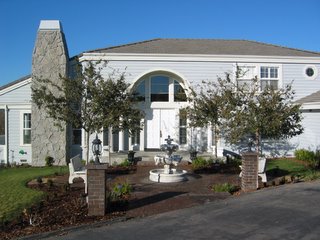 well-placed deciduous trees
 that even reduce HVAC costs inside the home by providing shade in the summer and allowing light in the winter, it's actually possible to quantify the benefits of a thoughtfully designed landscape.
Third, "good design adds value… by anticipating and accommodating change." After all, a natural system is the embodiment of change: plants grow and die, features and amenities wear and weather, and use patterns vary over time as more or fewer people use the landscape. A professional designer will anticipate some of these changes (for instance, spacing plants for their mature size, not their size at planting time) and accommodate others (e.g. laying empty conduit beneath new hardscape for additional lighting wire or irrigation lines in the future). Without this forethought, the homeowner will either spend far more money and time trying to retrofit a limited system or, sadly, choose to live without the improvements.
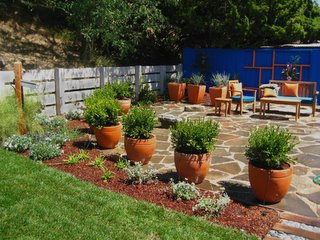
And "the final way in which good design adds value is by making something more beautiful". It sounds so obvious, and obviously no one sets out to design an unattractive garden, but the professional designer's expertise is in creating beauty in unexpected ways, and in fine details which may escape the untrained hand. If a landscape has, as the original author says, "real appeal and becomes loved, it will be cared for and enhance the image of those connected with it."
And this is the ultimate benefit of good design: no matter what it costs, the value it provides is priceless.
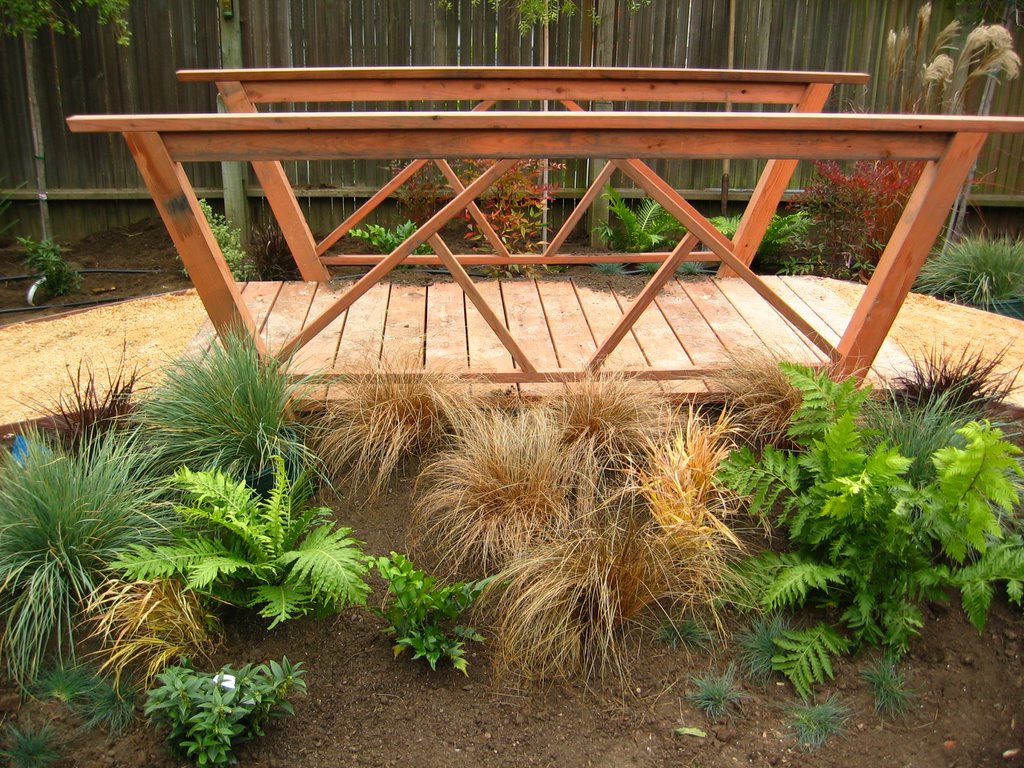 faux bridge atop a constructed berm set with flowing plants to create the illusion of water (since neither standing water nor a dry creek would be the safest thing).

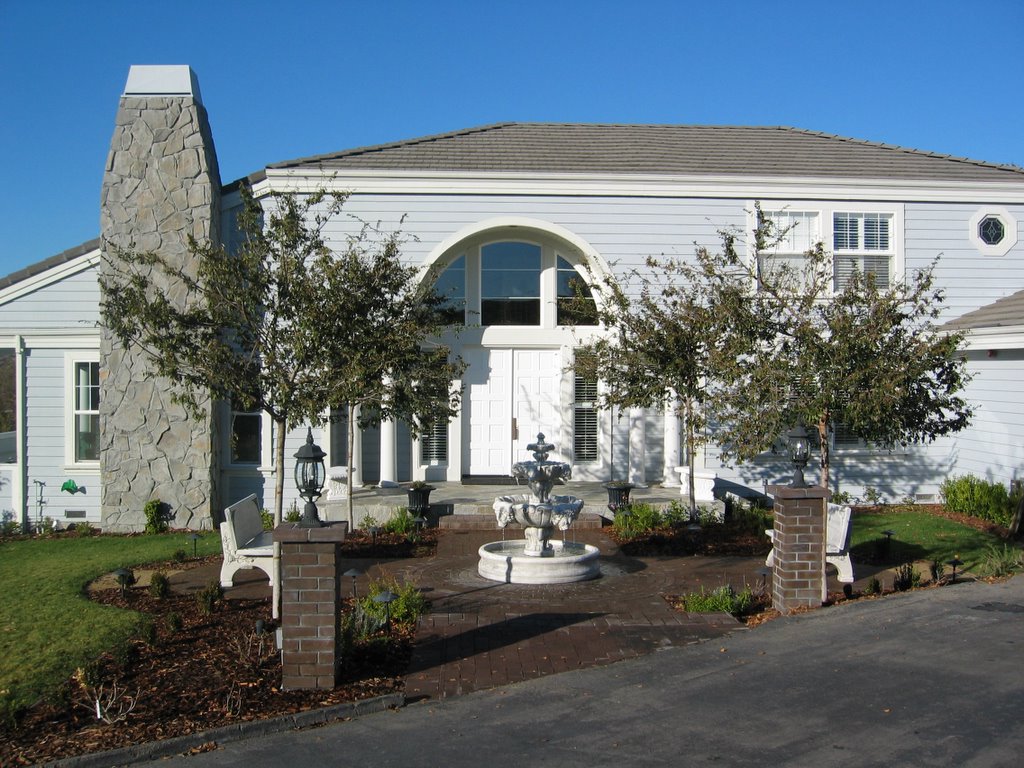 well-placed deciduous trees