Showing posts with label light pollution. Show all posts

Aug 12, 2009

Meteor Dribble

In case you haven't heard, these are the prime viewing nights for the Perseid meteor showers. And this year's show is supposed to be especially good. Except, when I stand in my backyard, all I see is a fireball.

Yes, our neighbor has taken to leaving her back patio light on at night. All night.

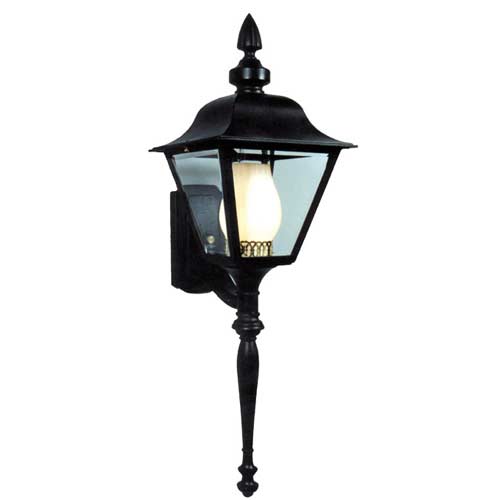
Apparently she's oblivious to the fact that the fixture is of a design that emits light up and out as well as down, or that the wattage of the bulb is enough to brown a turkey at a distance of 300 feet.

This could bode well for our Thanksgiving. But any other day, this is the definition of "light trespass": the intrusion of light across geographic or property boundaries. And it's a classic case of light pollution, a growing problem which is devaluing our quality of life, harming wildlife, and destroying our environment.

I bring this up because, if you haven't noticed, the nights have been lengthening for a month or so, and will continue until we reach the winter solstice on December 21 (at 9:47 am local time, FYI). As a result, we humans are using artificial illumination more; which I believe means we have a responsibility to use it more wisely.

The most common reason to use outdoor lighting is, in a word, safety. We want to see where we're going, make it easier to ourselves to navigate around and into our home, and make it harder for unwelcome guests to do the same. But when we commit the error of my neighbor, we actually decrease our safety. Think about it: do you enjoy staring straight into the halo of a 75-watt bulb? Of course not, so you look away. Which means you don't see the fellow in the black ski mask jimmying the lock on the door next to that light.

Even if you thought you saw something, it would be impossible to see much past the glare of that lamp. Is it your neighbor, or not? Hard to tell, and given that you want to keep your neighborly relations, well, neighborly, you probably won't call 911 on him. Once again, the design of the fixture has compromised its effectiveness.

Furthermore, because misdirected light is wasted light, and wasted light is wasted power, the International Dark-Sky Association (IDA) and others calculate that poor lighting may the US $2 billion or more annually. Nor is the cost just economic: the US alone may consume at least six million tons of coal annually to produce excess light — creating long-term environmental consequences such as air and water pollution, carbon dioxide accumulation, and acid rain that affect every species of life on Earth.

Whether you're planning your outdoor lighting from scratch, or retrofitting an existing system, there's a lot you can do to reduce these costs to yourself and your planet. I've written a white paper on dark-sky issues and effective lighting solutions, so please let me know if I can answer any of your lighting questions.

In the meantime, please turn down the lights. Your neighbors will see stars… and thank you for it.

Apr 12, 2008

Green Building Comes Home

If you're planning a construction project here in Palo Alto later this year, odds are you're going to be held to a higher standard than ever. As reported in the Palo Alto Weekly, a proposed building ordinance will require that residential construction ultimately comply with the "GreenPoint Rated" checklist developed by California's Build It Green initiative; and that commercial projects meet national LEED standards.

On the home front, here are some of the items Build It Green includes on their landscaping checklist:
  • Construct Resource-Efficient Landscapes
  • Use Fire-Safe Landscaping Techniques
  • Minimize Turf Areas
  • Plant Shade Trees
  • Group Plants by Water Needs (Hydrozoning)
  • Install High-Efficiency Irrigation Systems
  • Add Compost to Promote Healthy Topsoil
  • Mulch All Planting Beds
  • Use Salvaged or Recycled-Content Materials for Landscape Elements
  • Reduce Light Pollution
  • Collect and Retain Rainwater for Irrigation

    The proposed ordinance is likely to take effect in July, with a phased implementation (e.g. home builders will only have to earn 75% of the necessary points within the first two years) to allow time to master the new requirements. But whether you're a local homeowner, a builder or a contractor working in Palo Alto, the political landscape is about to dictate major changes to your project's landscaping. If you have questions about what's ahead, I'd be happy to be your local green guide.
  • Nov 13, 2006

    Land of the Midnight Sun

    For reasons I cannot divine, one of our neighbors has taken to leaving his back patio lights on at night.

    All night.

    Apparently he's oblivious to the fact that the fixtures are of a design that emits light up and out as well as down, or that the wattage of their bulbs is enough to brown a turkey at a distance of 300 feet.

    Since this is roughly the distance from his patio to our kitchen, this bodes well for our Thanksgiving. But any other day, this is the definition of "light trespass": the intrusion of light across geographic or property boundaries. And it's a classic case of light pollution, a growing problem which is devaluing our quality of life, harming wildlife, and destroying our environment.

    I bring this up because, if you haven't noticed, the nights have been lengthening for a couple of months now, and will continue until we reach the winter solstice on December 21 (at 4:22 pm local time, FYI). As a result, we humans are using artificial illumination more; which to me means we have a responsibility to use it more wisely.

    The most common reason to use outdoor lighting is, in a word, safety. We want to see where we're going, make it easier to ourselves to navigate around and into our home, and make it harder for unwelcome guests to do the same. But when we commit the error of my neighbor, we actually decrease our safety. Think about it: do you enjoy staring straight into the halo of a 75-watt bulb? Of course not, so you look away. Which means you don't see the fellow in the black ski mask jimmying the lock on the door next to that light.

    Even if you thought you saw something, it would be impossible to see much past the glare of that lamp. Is it your neighbor, or not? Hard to tell, and given that you want to keep neighborly relations, well, neighborly, you probably won't call 911 on him. Once again, the design of the fixture has compromised its effectiveness.

    Furthermore, because misdirected light is wasted light, and wasted light is wasted power, the International Dark-Sky Association (IDA) and others calculate that poor lighting may the US $2 billion or more annually. Nor is the cost just economic: the US alone may consume at least six million tons of coal annually to produce excess light — creating long-term environmental consequences such as air and water pollution, carbon dioxide accumulation, and acid rain that affect every species of life on Earth.

    Whether you're planning your outdoor lighting from scratch, or retrofitting an existing system, there's a lot you can do to reduce these costs to yourself and your planet. I offer a free report on dark-sky issues and effective lighting solutions, so please do write me if you would like a copy.

    In the meantime, please turn down the lights… at least your neighbors will thank you for it.